
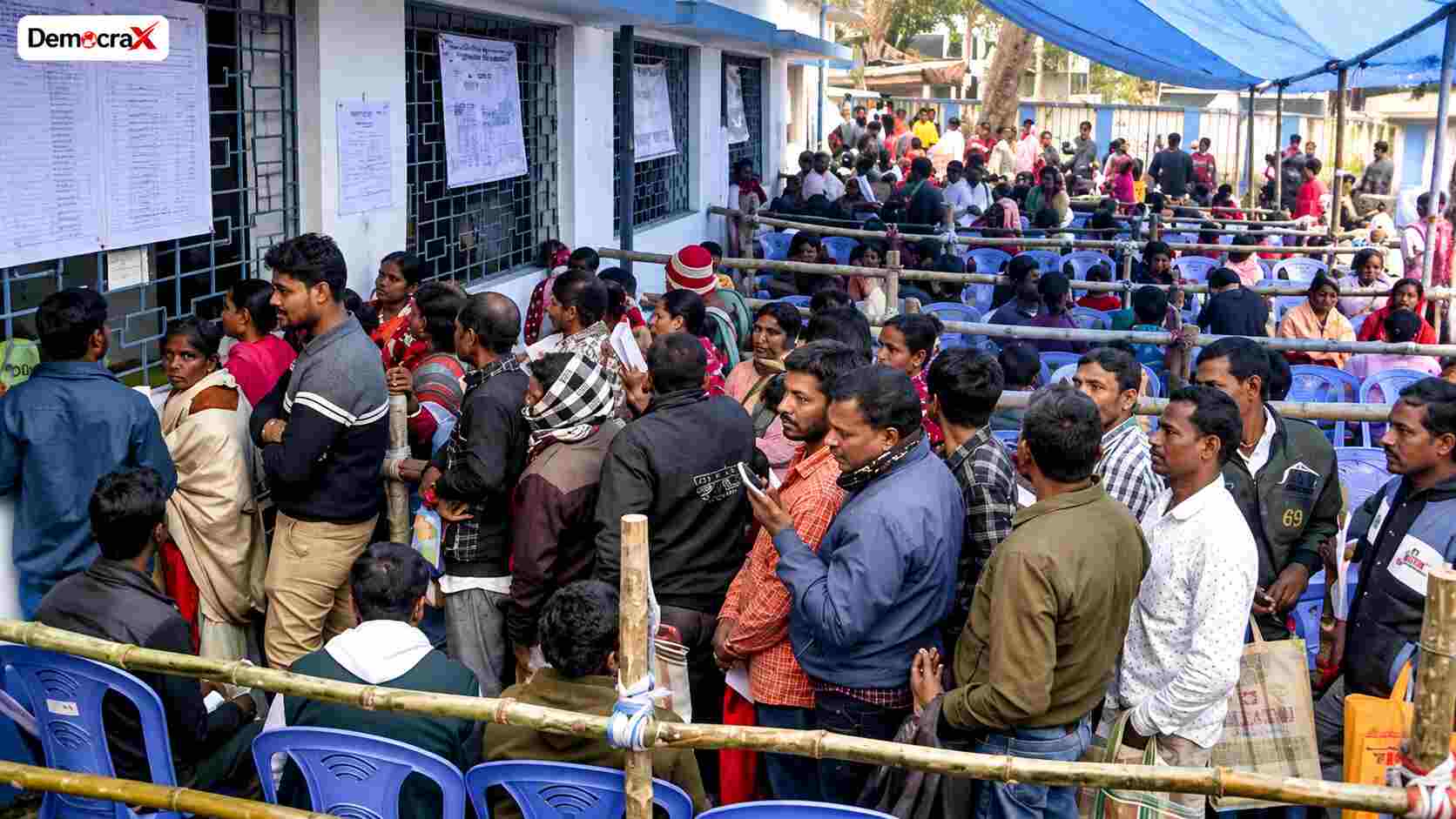
However, the problem of West Bengal SIR once again surfaced owing to the publication of the new report on the issue which revealed issues with regard to voter appeals which had been turned down. The Wire reported on October 20, based on an analysis of 6,444 rejected appeals, that the 80.2 percent of those people had the names belonging to Muslims. The issue raised more questions regarding the speed and transparency of the Special Intensive Revision (SIR) procedure.
West Bengal SIR: What Does the New Report Reveal?
As per The Wire investigation, out of the total 6,444 rejected appeals, 5,169 relate to voters who have been identified as Muslims through their names, while 1,221 have been identified as Hindus. The remaining 54 could not be classified based on the religion of the voter.
These numbers only show estimation based on voter names and not the actual religious composition of the voter. Moreover, these numbers can’t be used to claim any discrimination against Muslim voters by tribunals as the religious composition of all appellants – successful or unsuccessful – is not known.
Another issue raised by the investigation is that of the pace of the Bengal tribunal. This states that despite the filing of some 38 lakh appeals, the number of those which have been considered in the database is relatively few. For the individuals who were taken off the electoral list, it is pertinent to know when their appeal will be entertained.
ECI, SIR Tribunal and Gyanesh Kumar: What Happens Next?
The ECI claims that the SIR process was aimed at identifying the voters who were eligible and removing those who were ineligible or duplicated. The process was done through judicial scrutiny of cases with discrepancies, after which the case was referred to tribunals of retired judges.
Thus, the SIR judicial officer and the appellate tribunal levels are critical in the dispute. Previously, The Indian Express reported that the tribunal judges had expressed apprehensions regarding glitches in the ECI’s digital portal, including notices and hearings. Read its story on the Bengal SIR tribunal portal.
This case has also put the Chief Election Commissioner Gyanesh Kumar into hot waters. While opposition leaders have raised questions on the process, the Commission has maintained that the electoral-roll revision process is needed to ensure the validity of the voter lists.
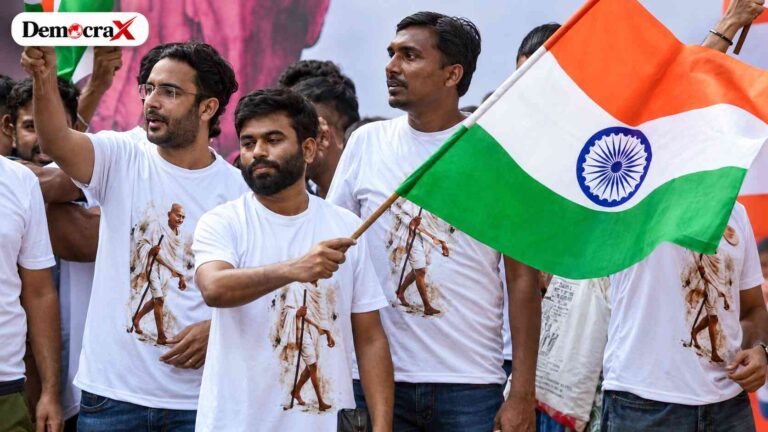
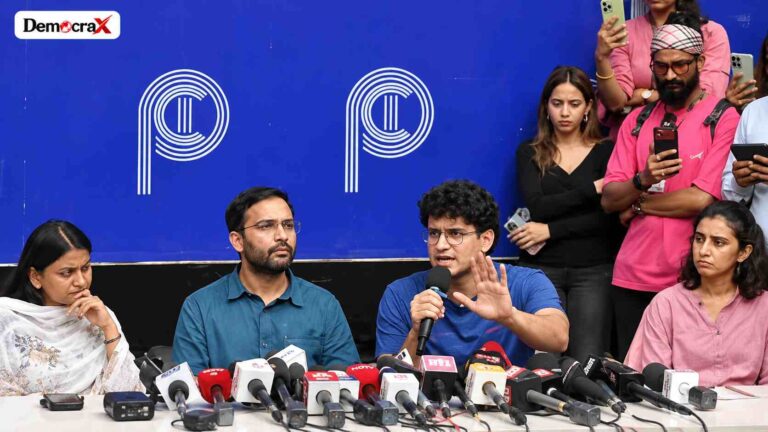
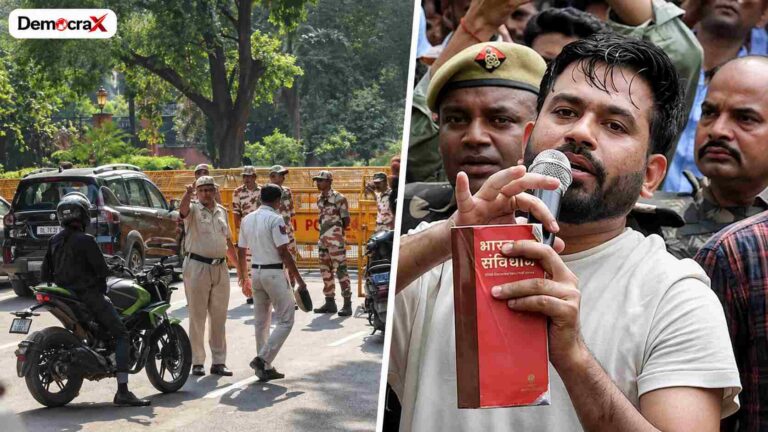
For further reading on this matter, refer to DemocraX’s reports on the CJP protest and the concerns regarding elections and the reply of Rahul Gandhi on the CJP protest.
Why West Bengal SIR Matters for Voters
For voters whose names are missing from the voter list, the practical issue of what needs to be done, how long it will take for the decision and whether the electoral records can be recovered before future election becomes important.
While the new findings do not clarify whether this process has discriminated against any community, they do reiterate the importance of making a prompt decision, providing clear data and explanation for the rejected appeals.
Please consult the official Chief Electoral Officer, West Bengal website for further electoral roll information.
Updated October 21, 2026. Figures and community estimates provided according to the cited investigation; ECI position is provided for context.
Want to stay updated on the biggest stories shaping India and the world? Explore more on DemocraX