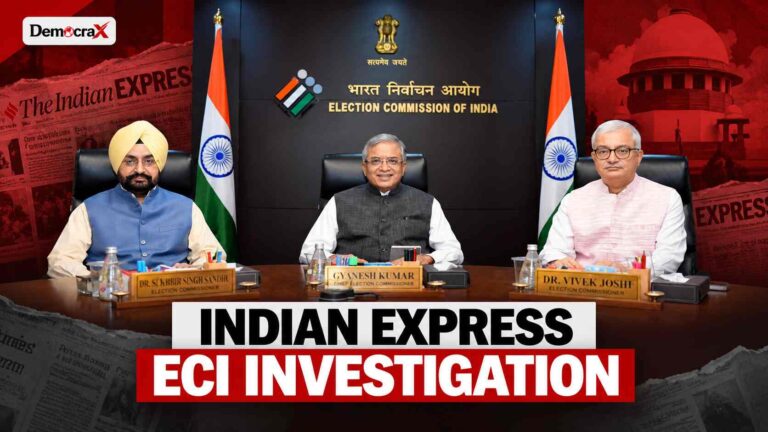

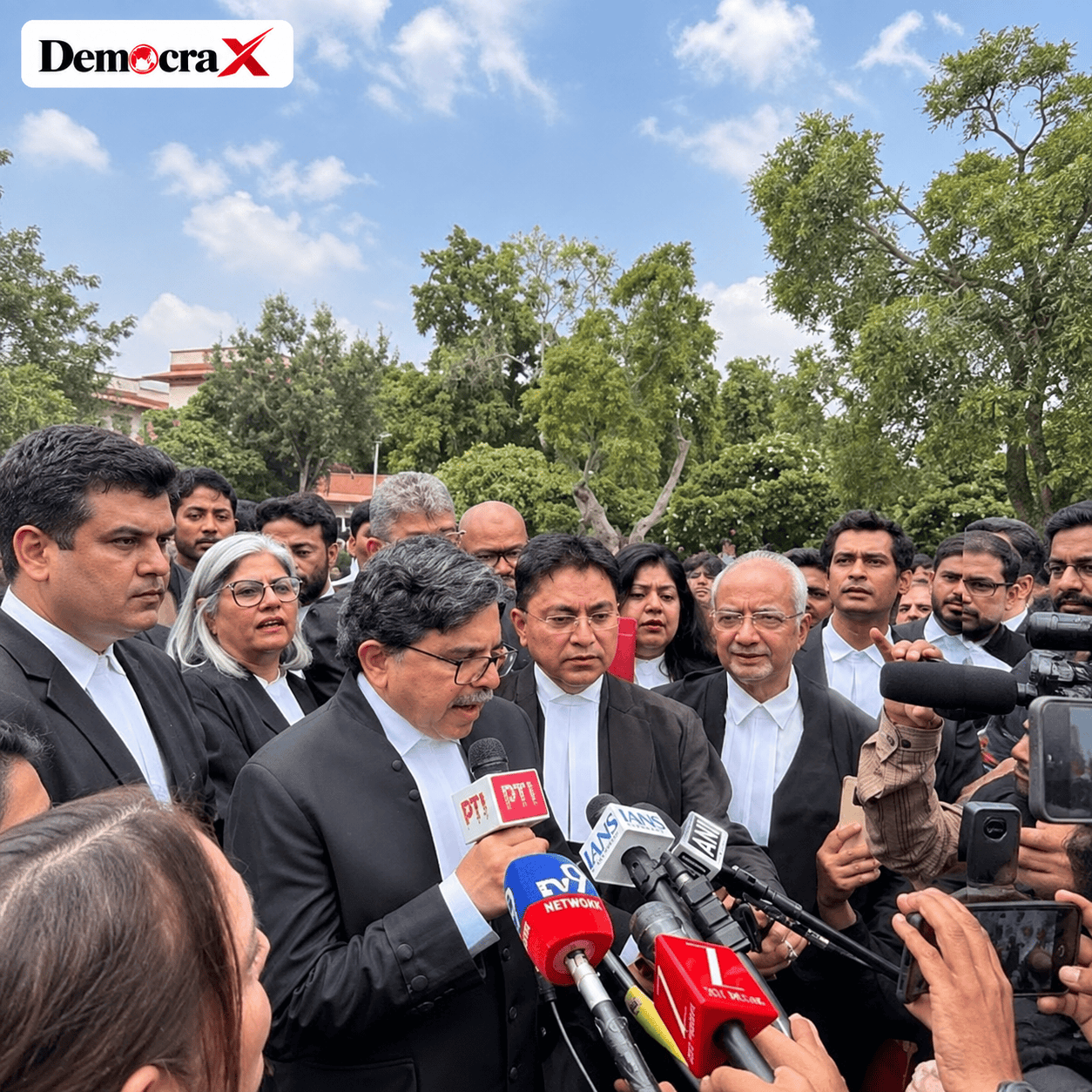
A number of lawyers and activists have made their concerns known regarding the electronic voting process in India by staging protests on the streets of New Delhi in recent times, bringing into limelight the issues of EVMs, election transparency and trust of voters.
The protest, which happened around September 17, is part of a larger movement demanding replacement of Electronic Voting Machines with paper ballots. Slogans were chanted against EVMs and resignation of Chief Election Commissioner Gyanesh Kumar was demanded in the protests, according to reports and documents from organizers. A delegation later went to the office of Election Commission and handed over a memorandum.
Why Are Supreme Court Lawyers Protesting Over EVMs?
The demand made by the agitating students is simple: they want elections to revert back to the paper ballot system and have been demanding increased scrutiny of the election process.
Advocate Mahmood Pracha, who has been linked with this movement, claimed that the agitation will go on until the issue regarding EVMs is solved. It has been reported that yet another agitation has been planned to take place on October 10 at Jantar Mantar.
This whole debate takes place amid a discussion surrounding the electoral rolls and the Special Intensive Revision process carried out by the Election Commission. DemocraX brings you updates on all this in our Politics section.
EVM Debate: What does the Election Commission say?
However, the claims of the protesters are being disputed by the Election Commission of India.
The recent statement made by Chief Election Commissioner Gyanesh Kumar is that the voting system in India has got several verification steps that include political parties, candidates, and their agents. He also claimed that EVMs do not have any connection with the Internet, Wi-Fi, or Bluetooth.
The Election Commission’s voter portal continues providing information about electoral roll revision and various other services for the voters, including SIR 2026.
For those who are following the electoral debates in general, the India page of DemocraX will feature the verified updates as and when they happen.
What Happens Next?
The next step is whether the demonstration will lead to any additional legal or institutional developments. While the protesters suggest that the movement will continue, the Election Commission has maintained its stance on EVM-based elections.
However, the Supreme Court continues to deal with the issues related to the electoral processes. The official case-status and cause-listing facilities of the Supreme Court represent the list of the cases pending in the Court.
For the time being, the demonstration in Delhi has made the old but very emotional issue relevant again: how can people be ensured that their votes are cast and accounted for?
This issue rather than the slogans of the parties involved is likely to stay the main one.