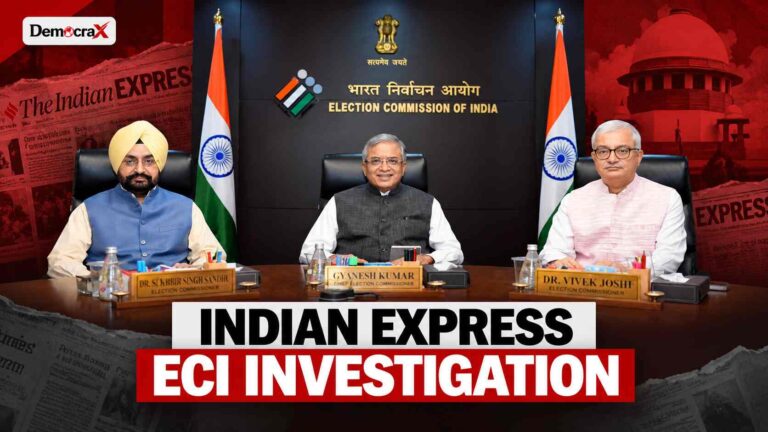

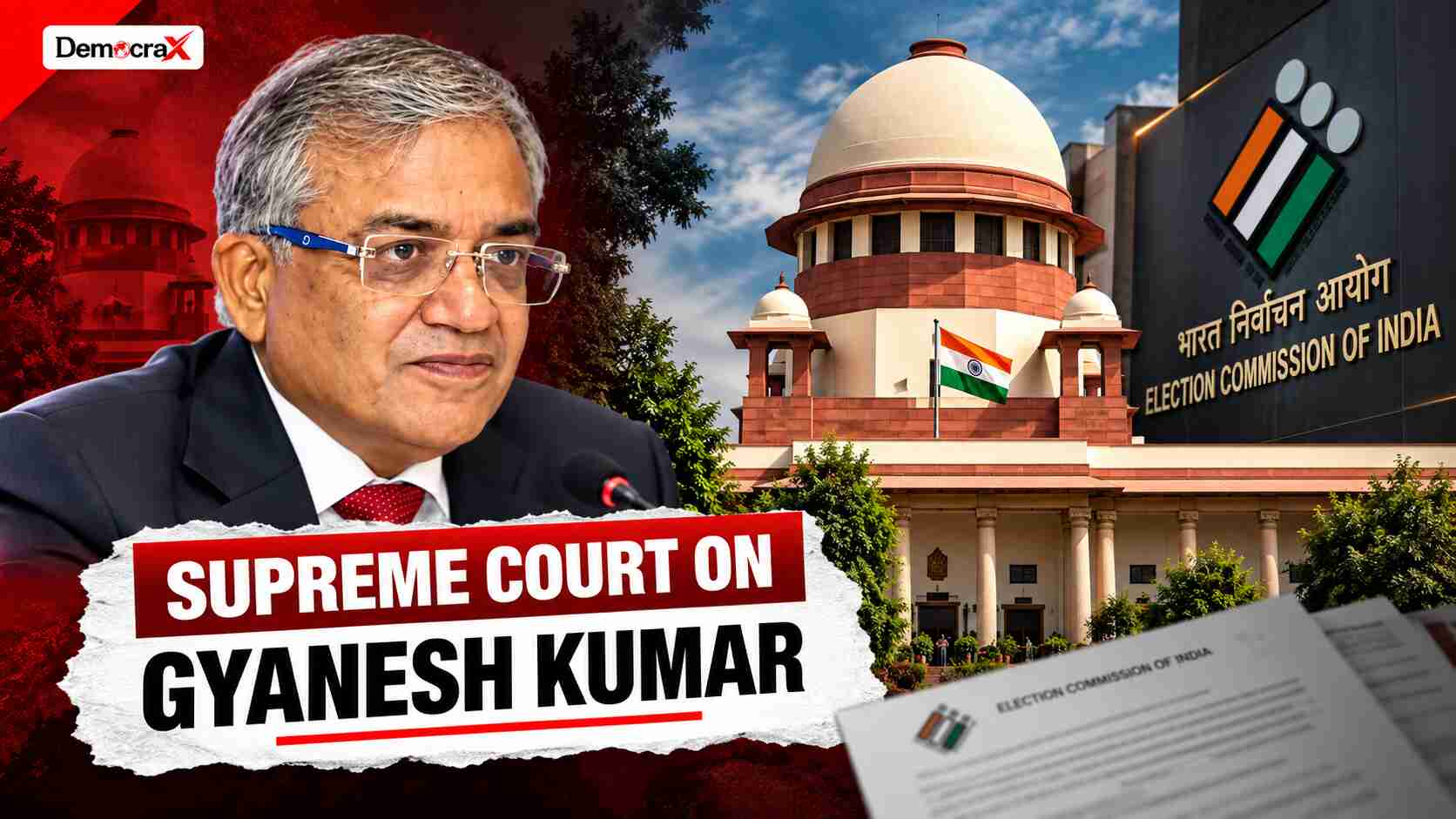
The Supreme Court has accepted the hearing of a plea against the functioning of the Chief Election Commissioner Gyanesh Kumar and a plea challenging the legality of the Special Intensive Revision (SIR) of the electoral rolls across the country. This means that the decision-making process at the Election Commission is being questioned, especially with regards to the decisions taken by one Election Commissioner alone.
Supreme Court on Gyanesh Kumar: What did the court say?
On September 29, Senior Advocate Vikas Singh raised the petition before a three-judge bench headed by the Chief Justice of India Surya Kant for an early hearing. He argued that the Election Commission is a multi-member body and the decision-making process should be as per the Constitution.
The court has ordered that the matter be listed next week. There has been no finding from the court as of now.
Gyanesh Kumar and SIR row: What does the petition allege?
In his petition, the petitioner, Rakesh Kumar Singh, asks if the CEC Gyanesh Kumar has used the power of the Election Commission of India (collective). His petition is based on the provisions of the Constitution of India (Article 324) and the Chief Election Commissioner and Other Election Commissioners Act, 2023 (Section 18).
As per the report by the petitioner, Election Commissioners Sukhbir Singh Sandhu and Vivek Joshi had objected on the reported occasions. As per an investigation by Indian Express, these two officials had raised objection more than 14 times over a period of 10 months on decisions and orders made in connection with SIR. The Election Commission says that these letters were about an officer on deputation and not about IT or policy.
The petitioner has filed the petition seeking the quashing of the decision/orders and issuance of the quo warranto writ to make Gyanesh Kumar explain the basis of exercising the collective powers of EC individually.
Why the Supreme Court hearing matters
First of all, it is more than just a conflict with one official. Electoral registers define the list of voters, therefore the revision of electoral rolls is an issue of public importance. The court is going to take up the legal issues brought up in the petition, which hasn’t been decided yet.
More information can be found in the article on the DemocraX about the investigation by the ECI and 14 complaints against Gyanesh Kumar. The recent news about the court has been reported by The Indian Express and Reuters regarding the pressure on the CEC.
The main thing to note right now is that the Supreme Court has agreed to hear the petition next week; it hasn’t issued any verdict regarding Gyanesh Kumar, the SIR process or unilateralism yet.
Want to stay updated on the biggest stories shaping India and the world? Explore more on DemocraX