

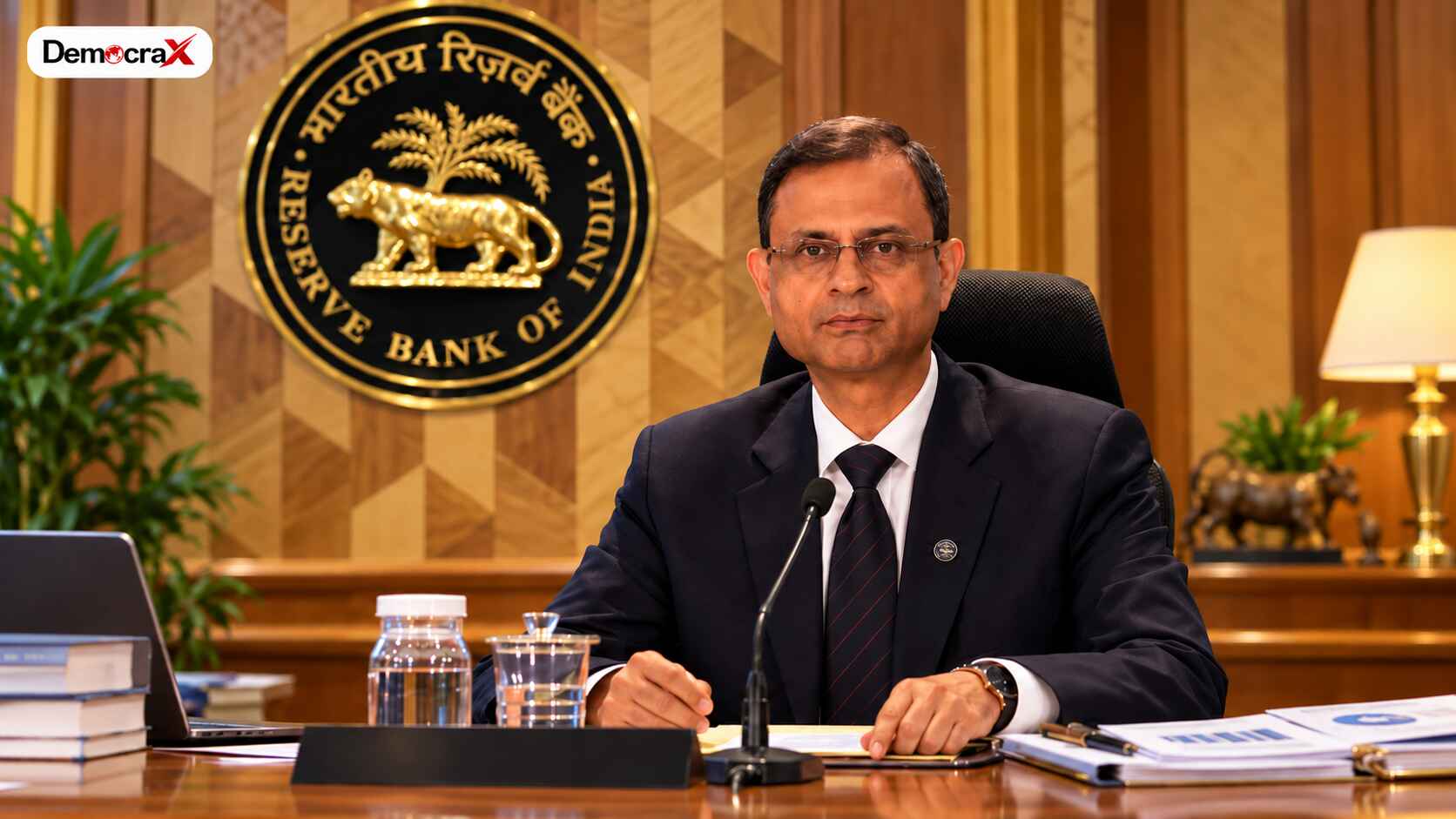
RBI repo rate is now at 5.50%, after the Reserve Bank of India raised it by 25 basis points on October 7. It is the central bank’s first repo rate hike since February 2023, and the decision has immediately put home loan EMI, personal loan and car loan costs back in focus.
The move came as inflation risks increased, particularly with crude oil prices rising and global financial conditions tightening. The RBI also shifted its policy stance from neutral to “calibrated tightening”, signalling that controlling price pressures has become a bigger priority.
RBI Repo Rate: Why did the RBI increase the rate?
The repo rate is the rate at which the RBI lends to commercial banks. When it rises, borrowing costs across the financial system can increase, although the pass-through to customers depends on the type of loan and the lender.
The RBI’s decision comes against a backdrop of rising inflation concerns. September consumer inflation is expected to have increased from August, while Brent crude has moved above $100 a barrel. Higher energy costs can add pressure to India’s inflation outlook.
At the same time, the RBI raised its FY27 GDP growth forecast to 7.1%, from 6.7% earlier, suggesting the central bank still sees the economy as resilient despite the tightening move.
RBI Repo Rate Hike: Will your EMI increase?
But not necessarily overnight. Home loan borrowers with floating interest rate loans based on external benchmark rates face the most direct risk of change after an RBI repo rate hike. The banks can raise the rate of interest, which could result in an increased EMI, extended loan repayment term, or even both.
The actual extent of impact will vary based on the bank, loan outstanding amount, interest rate, benchmark rate, and remaining tenure of the borrower. Therefore, it is somewhat misleading to say that “EMI will go up” as the impact varies in each individual situation.
It is imperative for a home loan borrower to check whether his/her loan is based on a fixed or floating interest rate.
What does the RBI decision mean for borrowers?
For existing borrowers who have been paying their EMIs, the first thing they should know is how much increase will pass the 25 basis point increase by the bank. For new borrowers, this may lead to some increase in the cost of borrowing.
The rate hike can also affect fixed deposits and savings accounts, since banks may raise deposit rates based on their liquidity position.
For the official policy information, readers can check the Reserve Bank of India. For the latest explanation of the EMI impact, see The Indian Express.
DemocraX takeaway: the RBI has clearly moved away from the recent easing cycle. For borrowers, the important number is not only the new 5.50% repo rate, but also how individual banks transmit the hike to loan rates in the coming weeks.
Want to stay updated on the biggest stories shaping India and the world? Explore more on DemocraX