

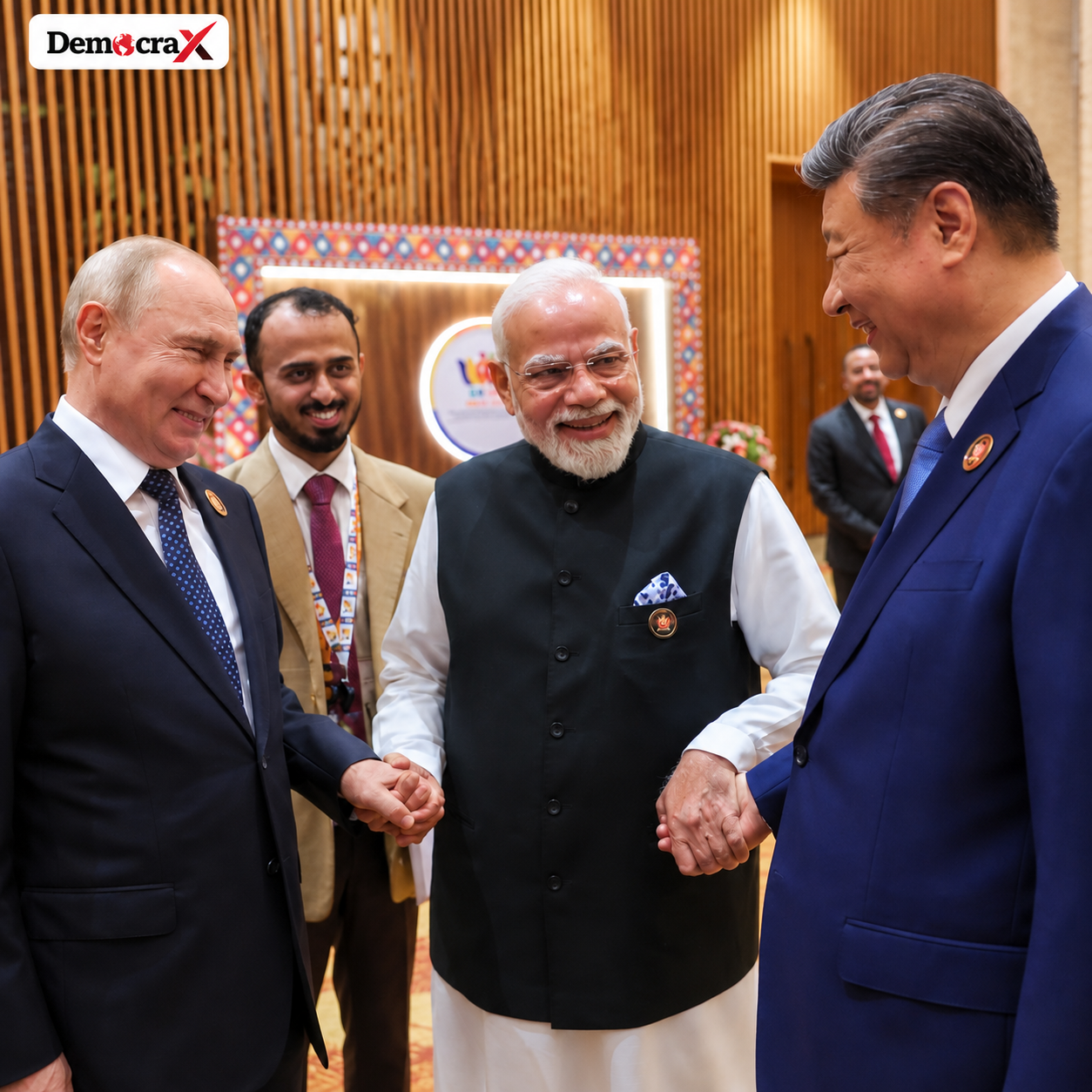
The BRICS Summit 2026 concluded in New Delhi; however, India’s BRICS presidency year may have implications beyond the two-day summit. BRICS 18th Summit was conducted from 12 to 13 September when wars, trade disputes, and disruptions to the supply chain are making their presence felt in the changing landscape of global politics.
Theme of the BRICS 2026 Presidency of India was “Building for Resilience, Innovation, Cooperation and Sustainability,” placing great stress on development issues and the Global South.
BRICS Summit 2026: Why India’s Presidency Matters
India came into its term in a BRICS that had become even more powerful. Today, BRICS includes 11 full members that account for almost 49.5% of the world’s population, 40% of global GDP, and 26% of global trade, according to the Indian government.
The real question for New Delhi wasn’t just how it would increase the power of BRICS. For India, the more important issue was whether it would make the grouping more relevant for the developing nations.
During its chairship, India conducted over 350 meetings and discussions in more than 25 cities on issues related to trade, finance, technology, agriculture, energy, health, and other spheres.
India and the Global South: From Rule-Taker to Rule-Shaper
In his address to the summit Prime Minister Narendra Modi said that the developing countries must have more say in shaping the global rules and not just implementing them. India also made demands for reforms in global organizations like increasing representation in UN Security Council.
New Delhi Declaration supported more prominent presence of emerging and developing economies in the international order.
Trade, Technology and Resilience in BRICS 2026 Outcomes
There were many discussions about practical cooperation during the summit. There was a suggestion that BRICS nations should cooperate in various spheres like local currency trade, cross-border payments, food security, energy, artificial intelligence, and climate change. Some of the suggested programs by India include the establishment of a multi-disciplinary early warning mechanism for disease outbreaks and a seafarer emergency response system.
What Happens Next for BRICS?
The chairmanship from India to China signifies that it is time to move to another stage of development. It will be interesting to see how BRICS members will cooperate and achieve their goals despite contradictions and disagreements between them in various geopolitical, economic and security issues.
It becomes apparent from India’s BRICS chairmanship that the Global South understands economic strength alone cannot provide a lot of benefits in the present-day world order.
Want to stay updated on the biggest stories shaping India and the world? Explore more on DemocraX
